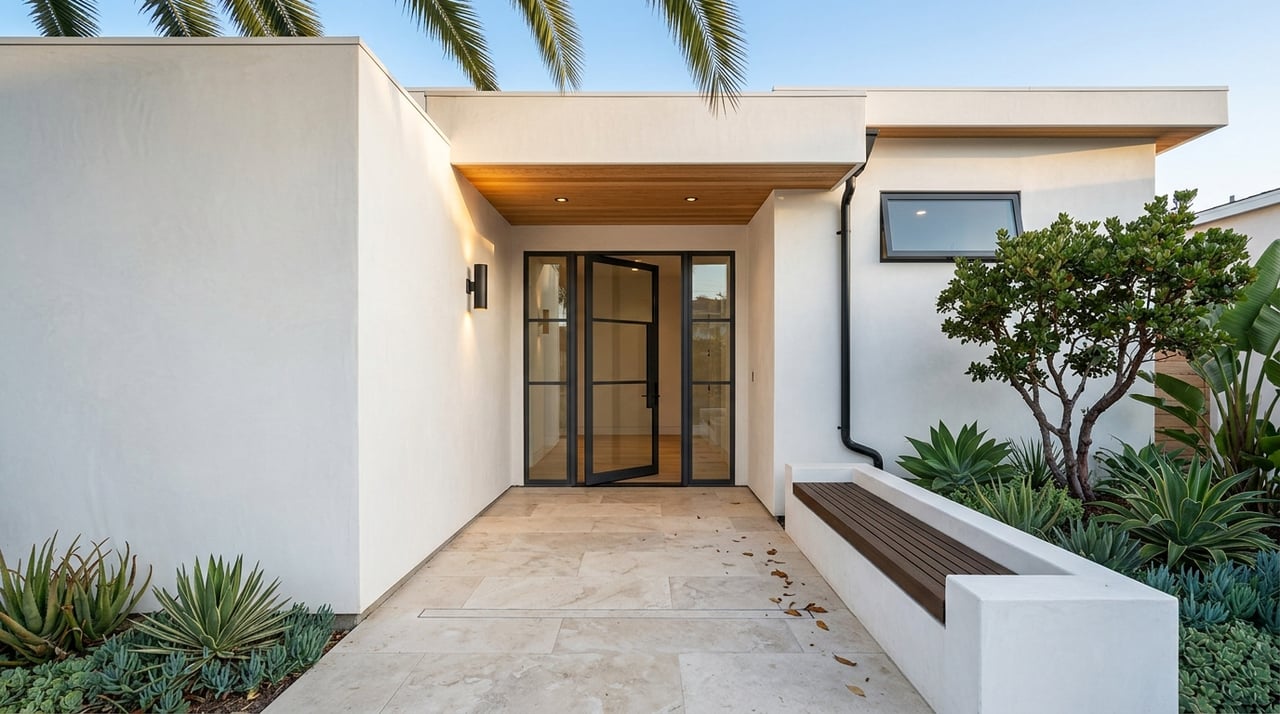
Your Guide to Coastal Living in Encinitas
July 2, 2026
July 2, 2026
If you picture Encinitas as one long stretch of beach-town energy, the real experience may surprise you. Living here feels less like being on vacation every day and more like being part of a coastal city where surf, trails, local events, and everyday routines all overlap. If you are wondering what day-to-day life actually feels like in Encinitas, this guide will help you picture the rhythm, the variety, and the practical details that shape it. Let’s dive in.
One of the biggest things to understand about Encinitas is that it is not a single lifestyle. The city stretches along about six miles of Pacific coastline and brings together five communities: New Encinitas, Old Encinitas, Cardiff-by-the-Sea, Olivenhain, and Leucadia. That mix creates a place that feels layered rather than uniform.
The city itself describes Cardiff-by-the-Sea, Old Encinitas, and Leucadia as coastal communities, New Encinitas as centrally located, and Olivenhain as the more rural area. In real life, that means your routine can feel very different depending on where you live. One part of Encinitas may put you close to beach access and downtown activity, while another feels more suburban or hillside in character.
That variety is part of why Encinitas appeals to so many different buyers. It can offer beach access, neighborhood living, open space, and a more residential pace, all within the same city. For someone moving within North County or buying here for the first time, that nuance matters.
Yes, the beach is a major part of life here, but it is not just scenic background. The city maintains about 45 acres of beaches and identifies six main beach locations: Grandview, Beacon’s, Stonesteps, Moonlight, D Street, and Swami’s. Those beach options give residents different ways to plug into coastal living depending on the day.
Moonlight Beach is one of the easiest places to picture as part of regular life. It offers ADA access, year-round lifeguards, restrooms, showers, picnic areas, fire rings, a playground, tennis courts, volleyball courts, and concessions. That range of amenities makes it feel usable for more than just a quick beach stop.
Swami’s carries a different kind of presence. The city highlights it for public art, views, local lore, and world-class waves, and Encinitas is known for excellent surfing conditions. That helps explain why surf culture in Encinitas feels local and lasting, not just seasonal.
A big part of living in Encinitas is how easy it is to spend time outside, even when you are not heading to the beach. The city maintains about 40 miles of trails along with a broad open space network. That gives daily life a more active, grounded feel.
Key trail areas include Encinitas Ranch, Manchester Preserve, and Olivenhain. The San Elijo Lagoon Ecological Reserve also offers about five miles of trails used by both residents and visitors. For many people, that means a morning walk, weekend hike, or after-work reset can be built into normal life.
The San Diego Botanic Garden adds another layer to that experience. Located in Encinitas within a mile of the Pacific coast, it spans 37 acres and includes four miles of trails, ocean views, 29 themed gardens, and a large children’s garden. That is a good reminder that Encinitas feels like a garden-and-trail city as much as a surf city.
The city also supports active routines in other practical ways. There is a 2-acre off-leash dog park, designated off-leash hours at select parks and trail areas, and a skatepark. Taken together, those features make the outdoors feel woven into daily habits instead of reserved for special weekends.
If the beaches shape the backdrop, downtown helps shape the personality. The 101 corridor is where Encinitas often feels most visibly energetic, with places to eat, shop, gather, and spend time. It is one of the clearest examples of how coastal living here also includes a strong community rhythm.
Downtown Encinitas is described as a place for brunch, dinner, dessert, live music, shopping, and recurring events. That matters because it gives the city a lived-in feel beyond the oceanfront setting. You are not just near the coast. You are also near spaces where people regularly meet up and move through their routines.
A few local spots help bring that to life. Honey’s Bistro & Bakery offers breakfast, lunch, baked goods, and locally roasted coffee near the beach, while Swami’s Cafe is known for breakfast, brunch, and lunch close to the surf break. Gelato 101 adds espresso coffee to the mix, and Culture Brewing’s downtown tasting room hosts art shows, pop-ups, film premieres, and fundraisers.
Encinitas also has a strong habit of using public space for community life. The city lists recurring events such as the Holiday Parade, Spring Egg Hunt, Movies in the Park, Summer Concerts, and Cyclovia. Encinitas 101 MainStreet also notes that it has coordinated the annual Holiday Street Fair since 1984.
That kind of event calendar changes how a place feels to live in. It gives you more reasons to be out in the community and more chances to experience the city as something shared. Instead of being only scenic, Encinitas feels active and participatory.
Arts and culture also have a visible role. City Art Night programming uses City Hall, the Encinitas Community Center, the Encinitas Library, and Pacific View Arts Center in historic downtown. The city’s broader position is that arts and culture are essential to community character and quality of life, and that comes through in how many civic spaces are involved.
The recreation system adds even more to that community layer. Programs serve youth, teens, adults, and adults 50+, and the city operates a 39,000-square-foot Encinitas Community & Senior Center. That supports the idea that Encinitas is multi-generational and residential, not just visitor-oriented.
Part of what coastal living in Encinitas really feels like is learning the practical side. Beach access, for example, comes with posted parking and use hours, and beaches are first come, first served. Rules also prohibit dogs, portable grills, alcohol, smoking, and glass.
Those details may sound small, but they shape how residents actually use the coastline. Living near the beach does not mean unlimited, private-style access. It means sharing a public resource that is beautiful, active, and regulated.
There are also tools that make beach use easier. The city provides a Safe Beach Day dashboard with real-time weather, water temperature, wave height, and wind direction. For people who surf, walk the beach, or plan around conditions, that becomes part of the local rhythm.
Transportation is another example of how lifestyle and logistics meet. Encinitas has a COASTER station at 25 East D Street and is served by BREEZE routes including 101, 304, 309, 604, and 609. That can make occasional car-light outings more realistic, especially near the coast and downtown, even though many daily routines still revolve around driving.
When people imagine living in Encinitas, they often focus on the broad brand of coastal North County life. What matters more, though, is how each area supports your actual routine. The city’s own community distinctions show why comparing one part of Encinitas to another is so important.
If you want quick access to beaches, surf culture, and downtown energy, the coastal communities may feel most aligned with your goals. If you want a more central residential setup, New Encinitas offers a different context. If you are drawn to a more rural setting, Olivenhain brings another layer entirely.
Even service areas vary by neighborhood. The city notes that the San Dieguito Water District serves Cardiff, Old Encinitas, Leucadia, and part of New Encinitas, while other parts of the city are served by Olivenhain Municipal Water District. It is a small detail, but it reflects a broader truth: Encinitas is one city with several distinct day-to-day experiences inside it.
So what does coastal living in Encinitas really feel like? It feels active, local, and layered. You get beach access and surf culture, but you also get trails, gardens, recreation programs, coffee stops, downtown events, and neighborhood variation that shapes your routine in very real ways.
It also feels grounded. Encinitas has an estimated 60,736 residents and 23,927 households, with a 66.5% owner-occupied housing rate and an average household size of 2.54. Those numbers support what the city feels like on the ground: an established residential community, not just a place people pass through.
If you are thinking about making a move here, the key is not simply asking whether Encinitas sounds appealing. It is asking which part of Encinitas best fits the way you want to live. If you want help thinking through that with local insight and clear guidance, Sun Greene is here to help.
Stay up to date on the latest real estate trends.
Work with Sun Greene for expert guidance, local insight, and a seamless buying or selling experience across North County San Diego’s most sought-after coastal communities.