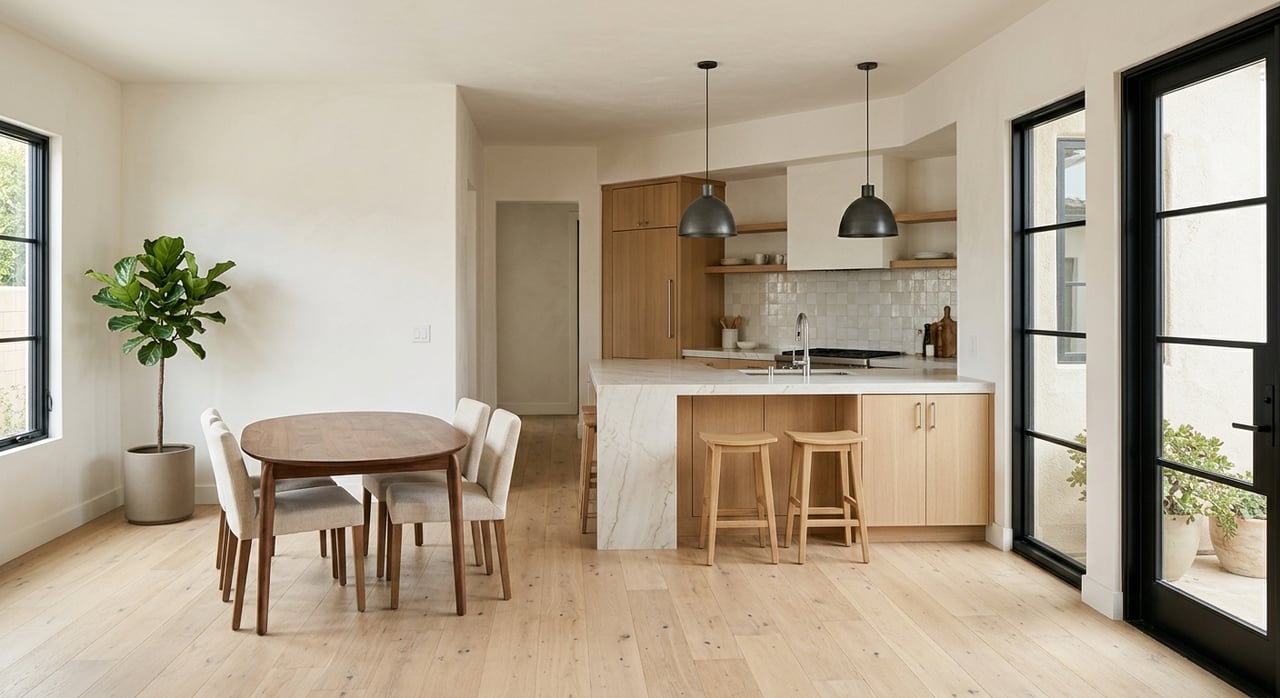
Pricing And Preparing An Encinitas Home To Sell
July 16, 2026
July 16, 2026
Selling in Encinitas can feel simple from the outside. Prices are high, demand is real, and homes can move fast. But a strong market does not mean every home will sell quickly or at the number you want. If you are planning a move, the right price and the right prep can protect your momentum and help you attract serious buyers from day one. Let’s dive in.
Encinitas is a premium market, but it is still a selective one. Recent local data puts the median sale price around the $2 million mark, with Redfin reporting $2.18 million and Zillow showing a $2.00 million median sale price and a $2.325 million median list price. Homes are moving relatively quickly too, with about 19 median days on market and roughly 10 days to pending, depending on the source and time window.
That said, buyers are not blindly paying any number. Zillow reports a median sale-to-list ratio of 0.995, with 54.8% of sales closing under list price and 33.4% closing over list price. In plain terms, this is a market that rewards accurate pricing and strong presentation more than wishful pricing.
Encinitas also sits well above the broader county benchmark. The San Diego County median sold price for existing single-family homes was $1,059,000 in May 2026, which is far below typical Encinitas pricing. That is why countywide averages are not enough when you are deciding what your home is worth.
The best starting point is recent closed sales near your home in the same micro-area. In Encinitas, that often means looking closely at nearby streets, property type, lot size, views, condition, and updates rather than pulling a citywide average and calling it done.
A home in one part of Encinitas may compete with a very different buyer set than a similar-sized property a few minutes away. Small details can shift value in a meaningful way, especially in a market where buyers are comparing polished homes at high price points. The closer your pricing strategy is to true local comparables, the better your odds of creating early interest.
The first pricing decision matters because the market can move quickly. Redfin’s local data and countywide timing both point to a market where buyers are active, and California Association of Realtors data shows San Diego County homes moving in about 14 median days for single-family properties. If you start too high and need to adjust later, you may lose the strongest wave of attention.
In a market like Encinitas, overpricing often shows up fast. Buyers may save the listing, watch it, and wait for a correction instead of competing for it. Once that happens, your home can start to feel stale even if the property itself is appealing.
This matters because local buyers at this price level tend to be value aware. They may be comfortable with a higher purchase price, but they still expect the home to justify it through condition, layout, presentation, and location. If the list price feels disconnected from the home’s actual positioning in the market, the response can soften quickly.
A better strategy is to price with purpose. That does not always mean pricing low. It means pricing at a level that reflects recent comps and gives buyers a clear reason to engage.
As your asking price rises, buyer expectations usually rise with it. In Encinitas, where the median home value and local household income are both high, many buyers expect a home to feel well cared for and visually ready from the start.
That does not mean you need a full remodel before listing. It does mean visible wear, deferred maintenance, or dated presentation can stand out more in a premium market. Buyers comparing several expensive homes often notice the details very quickly.
A practical goal is simple: make the home feel clean, cared for, and easy to say yes to. In many cases, that has more impact than taking on a large project with uncertain payoff.
If you are deciding where to spend time and money, start with the improvements buyers tend to notice right away. According to the National Association of Realtors’ 2025 staging profile, the most common seller-side recommendations were decluttering, cleaning the entire home, and improving curb appeal.
That is helpful because it points you toward changes that are visible and manageable. Before you think about major upgrades, focus on the basics that improve photos, showings, and first impressions.
A strong pre-listing checklist often includes:
These steps help buyers focus on the space itself instead of the distractions inside it.
Not every room carries the same weight. NAR found that buyers responded most strongly to the living room, primary bedroom, and kitchen. If your time or budget is limited, those spaces are usually the best places to focus your effort.
In the living room, think openness, light, and flow. In the primary bedroom, buyers tend to respond well to a calm, uncluttered setup that feels restful. In the kitchen, clean surfaces, good lighting, and a tidy, maintained look can make a major difference.
You do not need to over-style the home. You just want each key room to feel functional, welcoming, and easy to imagine using every day.
Before listing, visible updates often make more sense than large discretionary projects. NAR’s 2025 Remodeling Impact Report highlights painting the entire home, painting a single interior room, and installing new roofing among the improvements most often recommended before selling.
That does not mean every seller should replace a roof or repaint everything. It means buyers and agents consistently notice these kinds of improvements, especially when they solve obvious condition issues. Smaller exterior-focused upgrades, including front-door improvements, can also help create a stronger first impression.
If you are short on time, look for updates that check three boxes:
In many homes, fresh paint and stronger curb appeal deliver more practical value than a large renovation that delays your launch.
If your home has a known issue with a major system, do not guess at the impact. Get estimates for items like the roof, HVAC, or major appliances before you list. Even if you decide not to make the repair, the information helps you plan.
This gives you options. You may choose to fix the issue, offer a credit, or price the home with that condition in mind. What matters most is going into the market with clarity instead of scrambling after inspections or negotiations begin.
That kind of preparation also supports smoother communication with buyers. When you already understand the likely cost and scope of a repair, it is easier to stay calm and make good decisions during escrow.
In California, disclosure timing is not something to push to the last minute. Civil Code 1102 covers residential transfer disclosures, and Section 1102.6 requires use of the statutory form. If a required disclosure or a material amendment is delivered after an offer is signed, Civil Code 1102.3 generally gives the buyer 3 days to terminate if delivered in person or 5 days if delivered by mail or electronic record.
That timing can affect your escrow if paperwork is delayed. A cleaner approach is to prepare disclosures before the home goes live so buyers have the information early and the transaction can move with fewer surprises.
Natural hazard disclosures matter too. Under California Civil Code 1103, sellers must disclose hazard-zone information such as special flood hazard areas and very high fire hazard severity zones. In practice, that means the disclosure package should be part of your listing prep, not an afterthought.
If your home was built before 1978, lead-based paint disclosure rules also apply. Sellers do not have to test before sale, but they do need to disclose known information and provide the buyer a 10-day period to test for lead-based paint or lead hazards.
Seasonality can help, but local timing matters more than a national headline. Redfin’s 2026 seasonality research says March is typically the best time to list on the West Coast and notes that San Diego is usually strongest in mid-to-late March.
That does not mean every seller should wait for spring. It does mean your timeline should be built around local market conditions, your home’s readiness, and your next move. A well-prepared listing at the right moment is usually more powerful than rushing to market because a calendar says it is time.
It also helps to start prep earlier than you think. Realtor.com reports that 53% of sellers took one month or less to get their home ready to list. If you need painting, staging, repair estimates, disclosures, and photography, giving yourself breathing room can reduce stress and improve the final product.
If you want a practical roadmap, keep it straightforward. In most cases, the process works best when you follow a clear order instead of tackling everything at once.
A smart sequence looks like this:
That approach helps you protect your first impression, reduce avoidable delays, and enter the market with more confidence.
If you are selling in Encinitas, the goal is not just to list your home. It is to position it well from the start. With clear pricing, thoughtful prep, and early disclosure work, you give yourself a better chance at a smoother sale and a stronger result. If you want a calm, data-driven plan for your next move, connect with Sun Greene.
Stay up to date on the latest real estate trends.
Work with Sun Greene for expert guidance, local insight, and a seamless buying or selling experience across North County San Diego’s most sought-after coastal communities.